

You're staring at the Massachusetts real estate market in late 2025, and the timing question is keeping you up at night. Should you list your current home first and risk getting caught in a bidding war when you buy? Or should you secure your next home first and juggle two mortgages?
Here's the reality: Massachusetts is experiencing one of the tightest inventory markets we've seen, with home prices up 4% year-over-year and the median sale price hitting $714,000. Your decision isn't just about preference: it's about strategy in a market where the wrong move can cost you tens of thousands of dollars.
The Massachusetts Market Reality Check
The numbers tell a clear story. Inventory has shrunk dramatically, with only 22% of Massachusetts homes now priced below $500,000: compared to nearly 50% just six years ago. Meanwhile, the mid-tier market ($500K to $1.5M) remains incredibly tight, with homes selling quickly and often above asking price.
This isn't 2019 where you had breathing room to make decisions. The current seller's market dynamic means every move requires careful calculation.
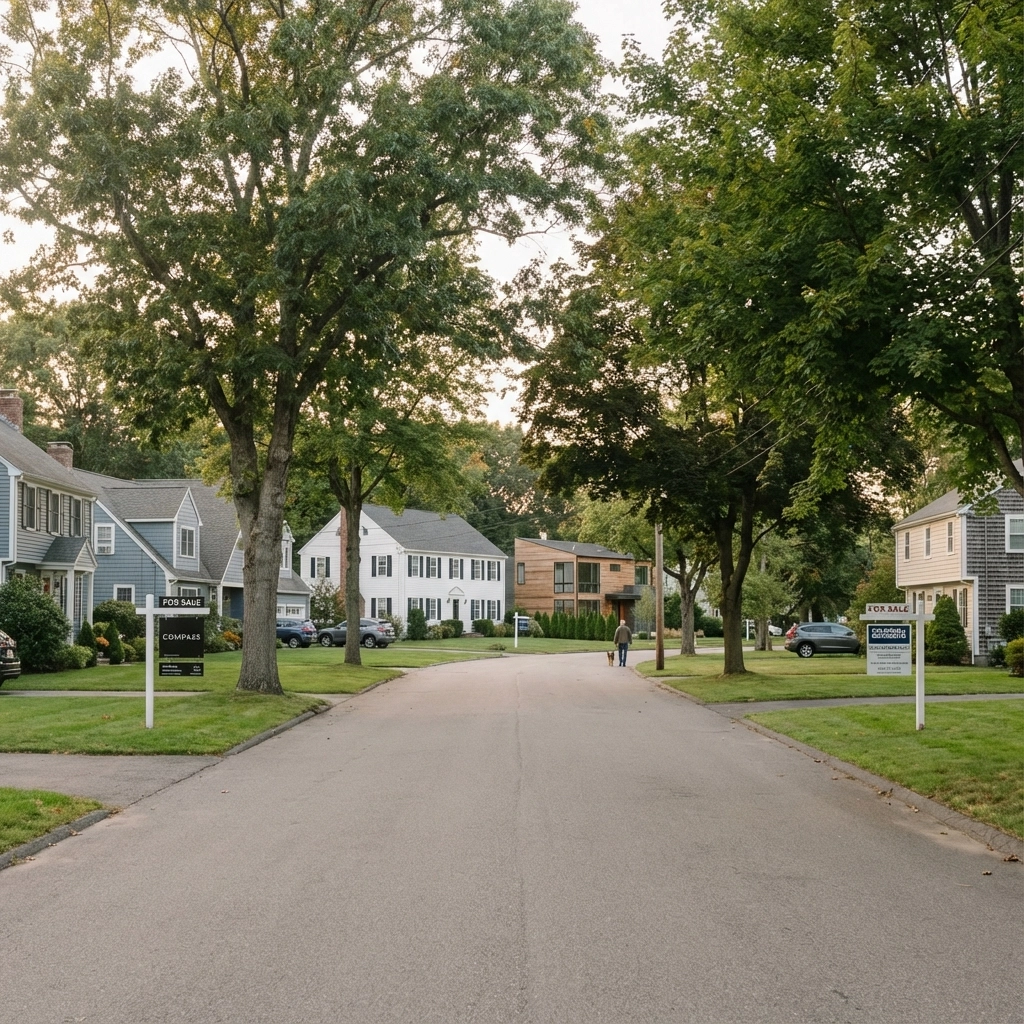
Why Selling First Makes Sense for Most Massachusetts Homeowners
You'll maximize your sale price! The seller's market is working in your favor right now. Homes in the $500,000 to $1.5 million range: where most Massachusetts homeowners sit: are generating multiple offers and selling above listing price. You want to capitalize on this strength while it exists.
Take advantage of buyer desperation. With inventory so constrained, buyers are making aggressive offers with fewer contingencies. That translates to faster sales and better terms for you as the seller.
You'll avoid the financial juggling act. Carrying two mortgages simultaneously is expensive and stressful, especially with mortgage rates still elevated from their historic lows. Selling first eliminates this risk entirely and gives you clear financial footing for your purchase.
The math is straightforward: if your current home is worth $650,000 and you owe $300,000, selling first puts $350,000 (minus costs) in your pocket. That's serious buying power in today's market.
You become a cash buyer: the holy grail. Nothing beats a cash offer in this competitive environment. Sellers will choose your offer over higher-priced financed offers because cash means certainty and speed. You'll win bidding wars you'd otherwise lose.
The Case for Buying First (When It Makes Sense)
Inventory is too tight to risk waiting. If you're eyeing specific neighborhoods like Melrose, Malden, or other desirable communities, well-priced homes are disappearing within days. The risk of selling your home and then spending months searching for your next one is real.
Consider this scenario: You sell in January but don't find your ideal home until April. During those three months, home prices in your target area could appreciate 1-2%, effectively costing you thousands in increased purchase price.
You're moving up significantly in price. If you're jumping from a $500,000 home to an $800,000 home, the appreciation on your target home might outpace your ability to save the difference. Getting locked into the higher-priced home first can make financial sense.
You've found "the one." Sometimes you discover your dream home before you're ready to sell. If it's truly special and in your budget, securing it first makes sense: even if it means temporary financial strain.

Location-Specific Strategies Across Massachusetts
Greater Boston suburbs (Melrose, Malden, Medford): Sell First. These markets are seeing intense competition with homes selling in under 10 days. Your sale will be quick and strong, giving you maximum buying power for the next purchase.
Worcester County: Consider Buying First. Worcester has seen 7.8% appreciation: the hottest growth in the state. If you're relocating here, locking in your purchase price before further appreciation makes sense.
Cape Cod and Western Mass: Sell First. These markets have more seasonal variation and inventory. Selling during peak season (spring/summer) maximizes your proceeds, then you can search with cash during slower periods.
Luxury markets ($3M+): Definitely Sell First. The luxury segment has softened in 2025 with longer market times and price adjustments. Take advantage of any buyer interest before demand potentially weakens further.
The Contingent Offer Strategy
Here's a middle-ground approach that works in today's Massachusetts market: make your purchase offer contingent on the sale of your current home. While sellers typically prefer non-contingent offers, your strong position as a seller gives you negotiating power.
Structure it smartly. Offer a longer closing period (60-90 days) to give yourself time to sell, and consider offering above asking price to compensate for the contingency. Many sellers will accept this trade-off, especially if your home is in a desirable area and priced competitively.
The key is demonstrating that your home will sell quickly. Provide comparable sales data, staging plans, and a marketing strategy to show the seller you're serious about execution.

Red Flags That Change the Strategy
Your home needs significant repairs. If you're dealing with major issues (roof, HVAC, foundation), buying first gives you time to address these problems without pressure. A home with obvious defects won't perform well in this competitive seller's market.
You're downsizing significantly. Moving from a $800,000 home to a $500,000 home means you're entering a more constrained market segment. Consider buying first to avoid getting priced out of the limited inventory in lower price ranges.
Job relocation with timing pressure. If you must be in your new location by a specific date, securing housing first trumps financial optimization. The cost of temporary housing or extended commutes often exceeds the benefits of selling first.
The Financial Math You Need to Consider
Calculate your bridge financing costs if buying first. Most lenders offer bridge loans at prime + 1-2%, currently around 8-9%. If you need $400,000 for six months, that's roughly $16,000 in interest costs.
Compare that to potential appreciation on your target home. If the $700,000 home you want appreciates 3% while you're selling, that's $21,000 in increased cost. In this scenario, buying first actually saves money.
Don't forget transaction costs. Each transaction carries 6-8% in costs (commissions, closing costs, moving expenses). Factor these into your decision-making process.
Your Action Plan for 2025
If selling first: Price aggressively for a quick sale, stage professionally, and have your financing pre-approved for immediate buying once sold. Consider temporary housing arrangements if needed.
If buying first: Secure bridge financing pre-approval, identify 3-5 target properties, and move quickly on offers. List your current home immediately after going under contract on your purchase.
Either way: Work with an experienced local agent who understands Massachusetts market timing and can coordinate both transactions seamlessly.
The Massachusetts market in late 2025 rewards decisive action and strategic thinking. Whether you sell first or buy first, commit fully to your chosen strategy and execute with precision. Half-measures and hesitation cost money in this environment.
For most Massachusetts homeowners, selling first remains the optimal choice given current market dynamics. You'll maximize proceeds from your sale and buy with confidence as a cash buyer. The exceptions are rare and specific: but when they apply, buying first can be the smarter move.
The key is making an informed decision based on your specific circumstances, not general market advice. Every situation is unique, and the right strategy for your neighbor might be wrong for you.